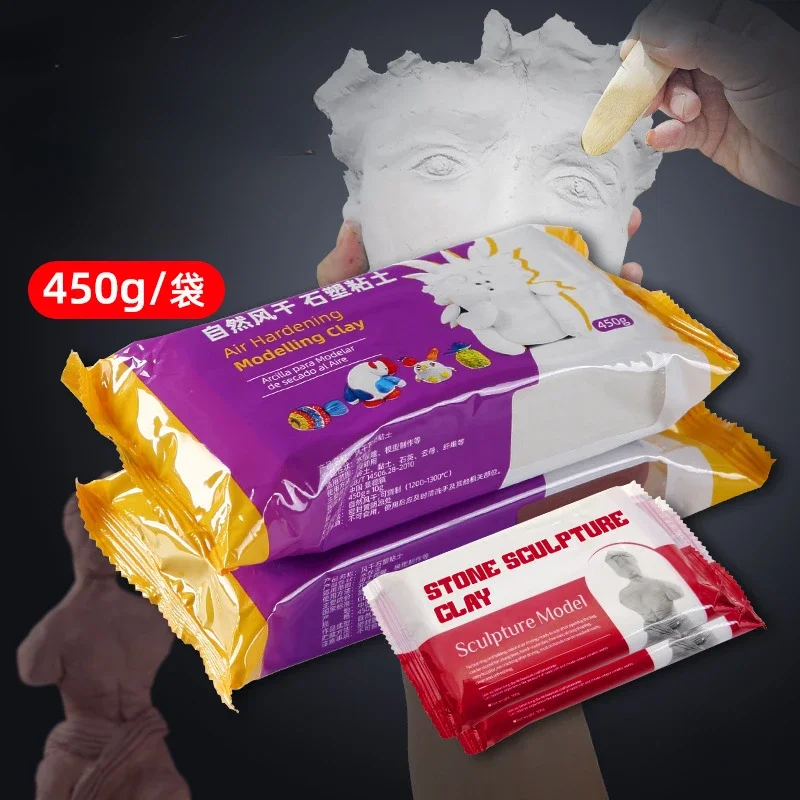
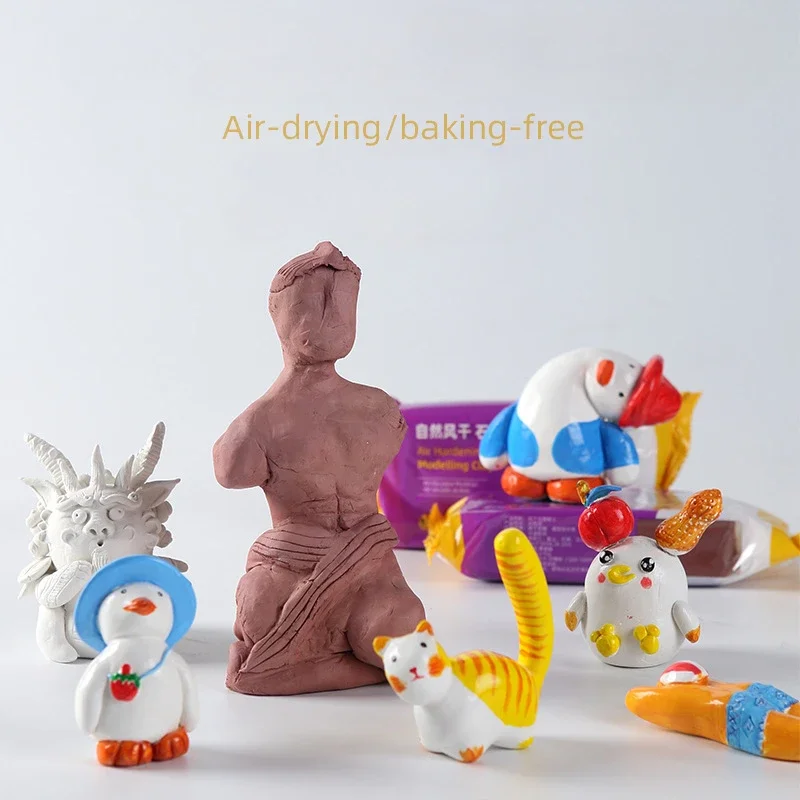
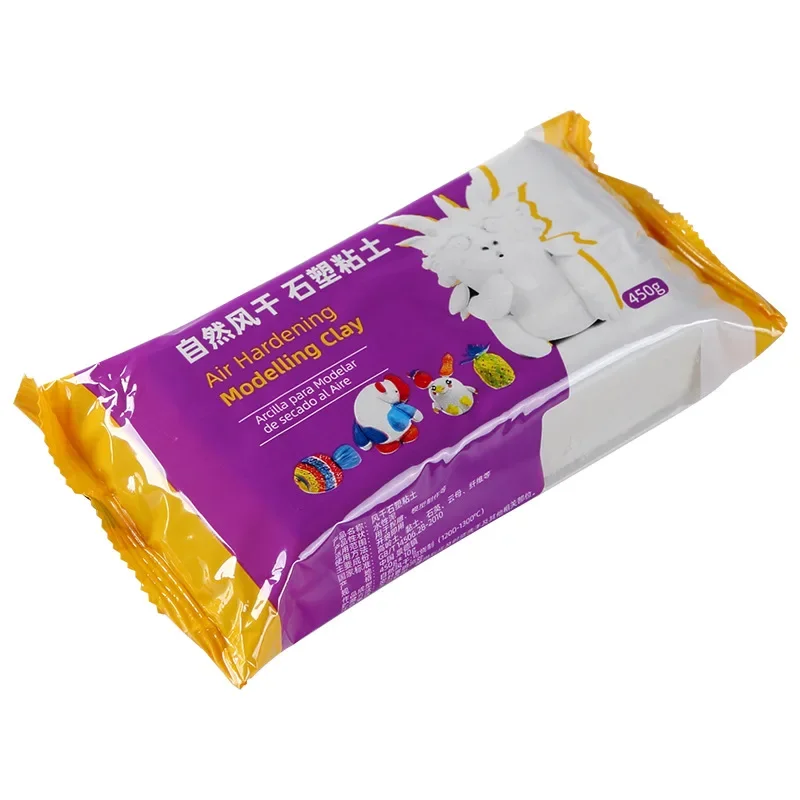
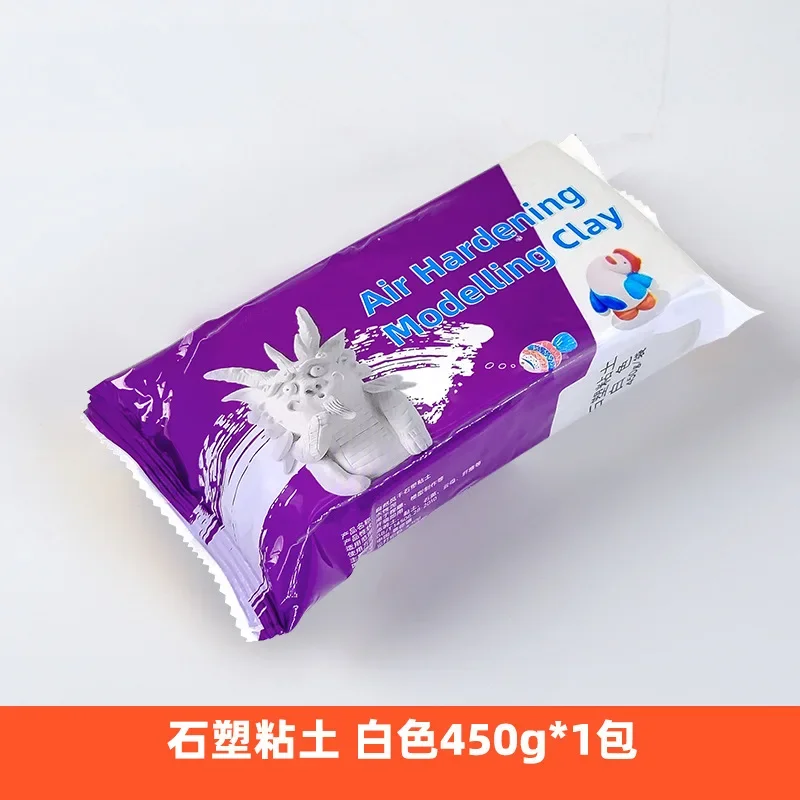
Air Drying Stone Plastic Clay for Handmade Pottery and Modeling
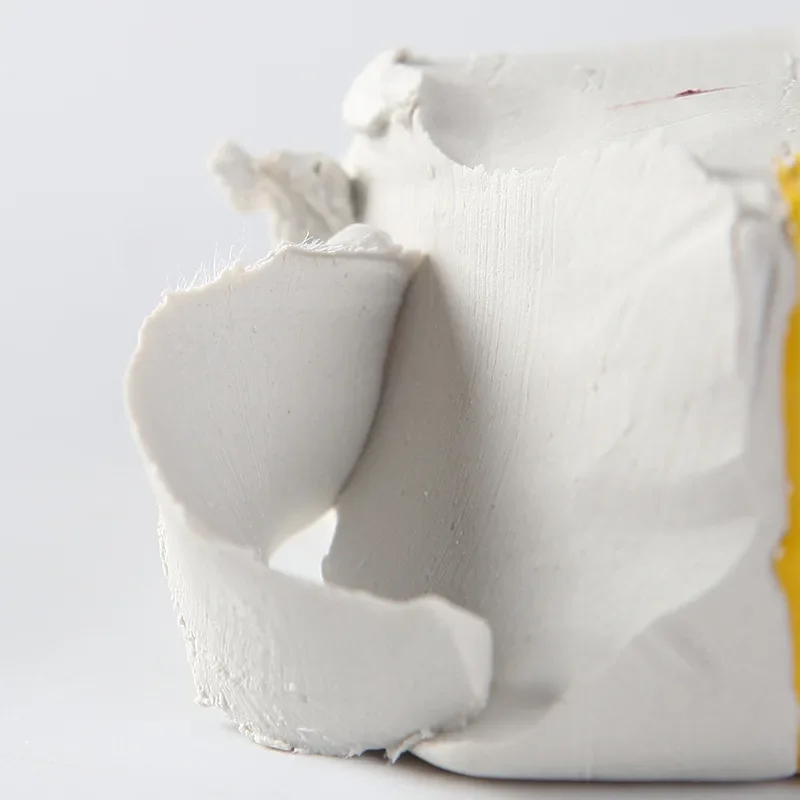
Product Name: Stone Plastic Clay. Product characteristics: water-based mud. Scope of use: Used for carving, model making, etc. Usage: Open the bag and use immediately. Main ingredients: kaolin, clay, quartz, fiber, etc. Specification: 450g+10g. Work formation: naturally air dried; Can be fired (1200-1300 ° C). Storage method: Seal and store in a cool and shady place. Caution: Not edible. Wash hands and related parts promptly after use. Attention: New and old packaging will be shipped randomly. Does clay stick to your hands? Clay itself is composed of other raw materials such as kaolin, peach gum, pulp, etc. Peach gum is sticky to the hand, and the glue will slide when it encounters water. However, after the clay dries, the raw materials need to be agglomerated to make it harder. This is a normal phenomenon. When washing your hands, just take a cloth and wipe it down. Our clay can be used directly without additional kneading. What should I do if it cracks? Clay naturally dries due to its adhesive and moisture content, causing some shrinkage that is not visible to the naked eye. When making it thicker, the outer layer usually dries first, and the inner layer slowly dries. This way, the outer layer becomes hard after drying, while the inner layer still shrinks, causing the outer layer to crack. These are normal phenomena. After all is dried, dilute the remaining clay with water and make it into mud to repair and repair. Matters needing attention: 1. Natural air drying, semi dry can be exposed to direct sunlight or accelerated drying. Do not expose to direct sunlight when it is very wet at the beginning, as this can cause cracking due to asynchronous shrinkage. 2. It is strictly prohibited to wrap items that cannot shrink inside the work, as this can cause internal items to not shrink while external clay material shrinks, leading to cracking. 3. Clay has a certain degree of moisture absorption. Dry works should be kept away from damp environments and coated with color and bright oil as soon as possible, without encountering water. 4. After air drying, the clay has a strong hardness, but do not break it hard or throw it. 5. After all treatment, air dry, polish and replenish water, and then paint. Water powder, propylene, watercolor, nail polish, paint, etc. can be painted. 6. If firing is required, please use underglaze coloring and after high-temperature firing at 1200 ℃, it can be made into porcelain.
$20.06
$20.06
- Category : Home & Garden
- Brand : sweei_shine_store SWEEI SHINE Store
Colors
-
+

Product Name: Stone Plastic Clay. Product characteristics: water-based mud. Scope of use: Used for carving, model making, etc. Usage: Open the bag and use immediately. Main ingredients: kaolin, clay, quartz, fiber, etc. Specification: 450g+10g. Work formation: naturally air dried; Can be fired (1200-1300 ° C). Storage method: Seal and store in a cool and shady place. Caution: Not edible. Wash hands and related parts promptly after use. Attention: New and old packaging will be shipped randomly. Does clay stick to your hands? Clay itself is composed of other raw materials such as kaolin, peach gum, pulp, etc. Peach gum is sticky to the hand, and the glue will slide when it encounters water. However, after the clay dries, the raw materials need to be agglomerated to make it harder. This is a normal phenomenon. When washing your hands, just take a cloth and wipe it down. Our clay can be used directly without additional kneading. What should I do if it cracks? Clay naturally dries due to its adhesive and moisture content, causing some shrinkage that is not visible to the naked eye. When making it thicker, the outer layer usually dries first, and the inner layer slowly dries. This way, the outer layer becomes hard after drying, while the inner layer still shrinks, causing the outer layer to crack. These are normal phenomena. After all is dried, dilute the remaining clay with water and make it into mud to repair and repair. Matters needing attention: 1. Natural air drying, semi dry can be exposed to direct sunlight or accelerated drying. Do not expose to direct sunlight when it is very wet at the beginning, as this can cause cracking due to asynchronous shrinkage. 2. It is strictly prohibited to wrap items that cannot shrink inside the work, as this can cause internal items to not shrink while external clay material shrinks, leading to cracking. 3. Clay has a certain degree of moisture absorption. Dry works should be kept away from damp environments and coated with color and bright oil as soon as possible, without encountering water. 4. After air drying, the clay has a strong hardness, but do not break it hard or throw it. 5. After all treatment, air dry, polish and replenish water, and then paint. Water powder, propylene, watercolor, nail polish, paint, etc. can be painted. 6. If firing is required, please use underglaze coloring and after high-temperature firing at 1200 ℃, it can be made into porcelain.
Related Product
Browse The Collection of Top Products.


Gold Silver Rhinestone Chain Lace for Bridal Hairpiece DIY
$18.245
$35.15


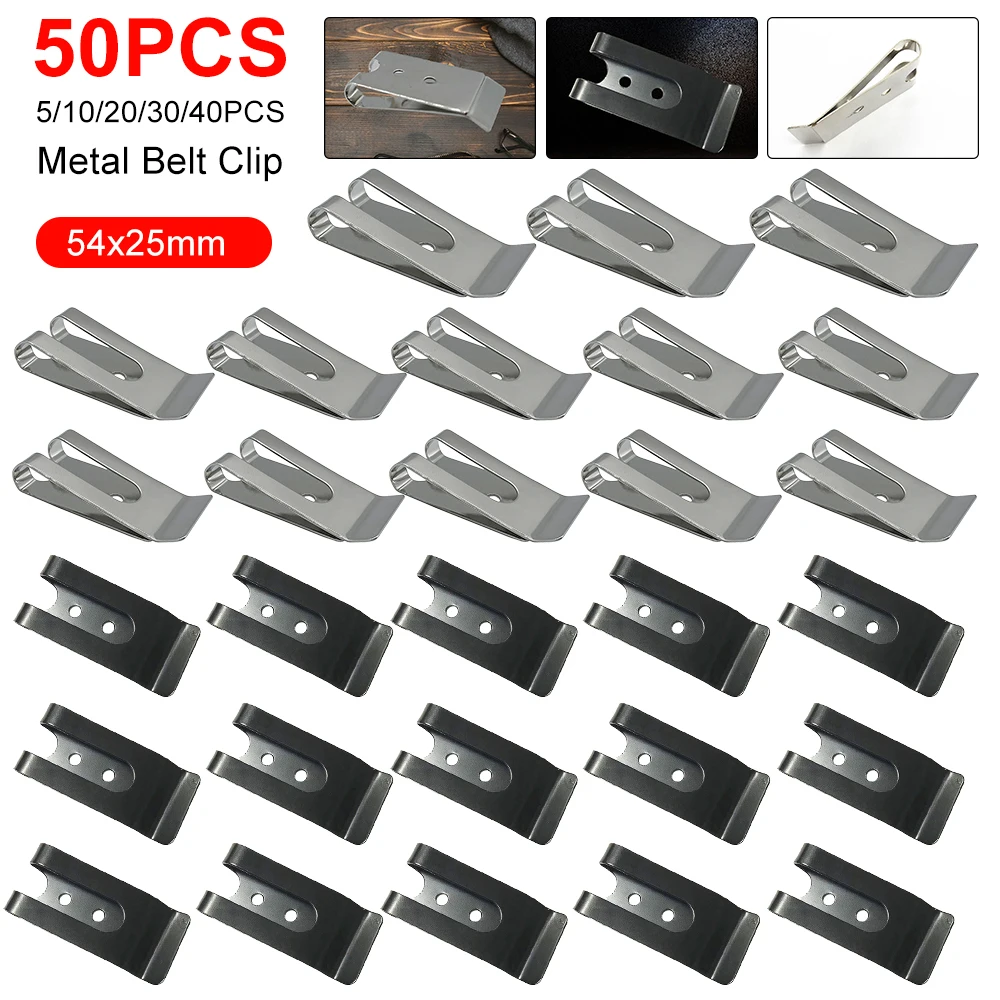





Hand Operated Knitting Tool Machine for DIY Crafts
$19.6
$50.86
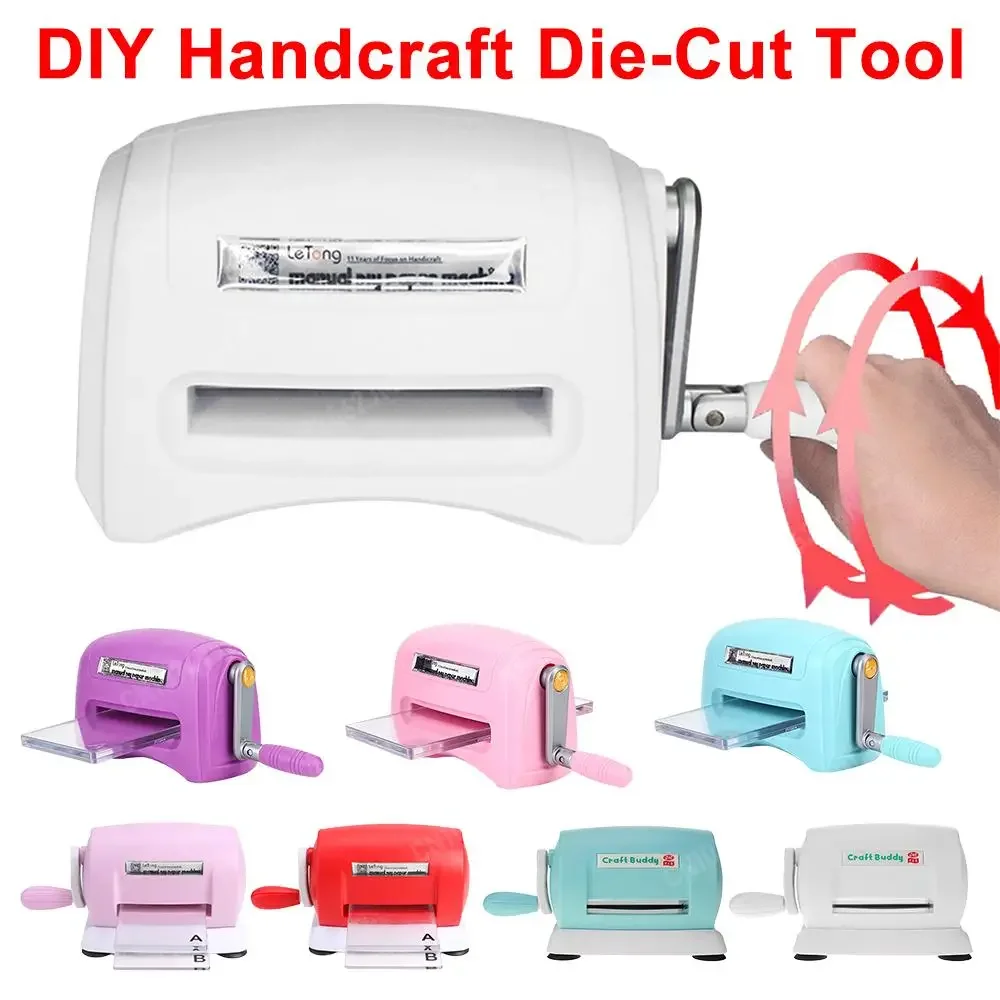


Plastic Metal Die Cutting Embossing Machine for Scrapbooking
$56.83
$111.67


Wedding Scrapbooking Stickers Paper DIY Decorations
$10.67
$19.34


Infrared Laser Positioning Tool for Sewing Machine
$12.97
$24.83
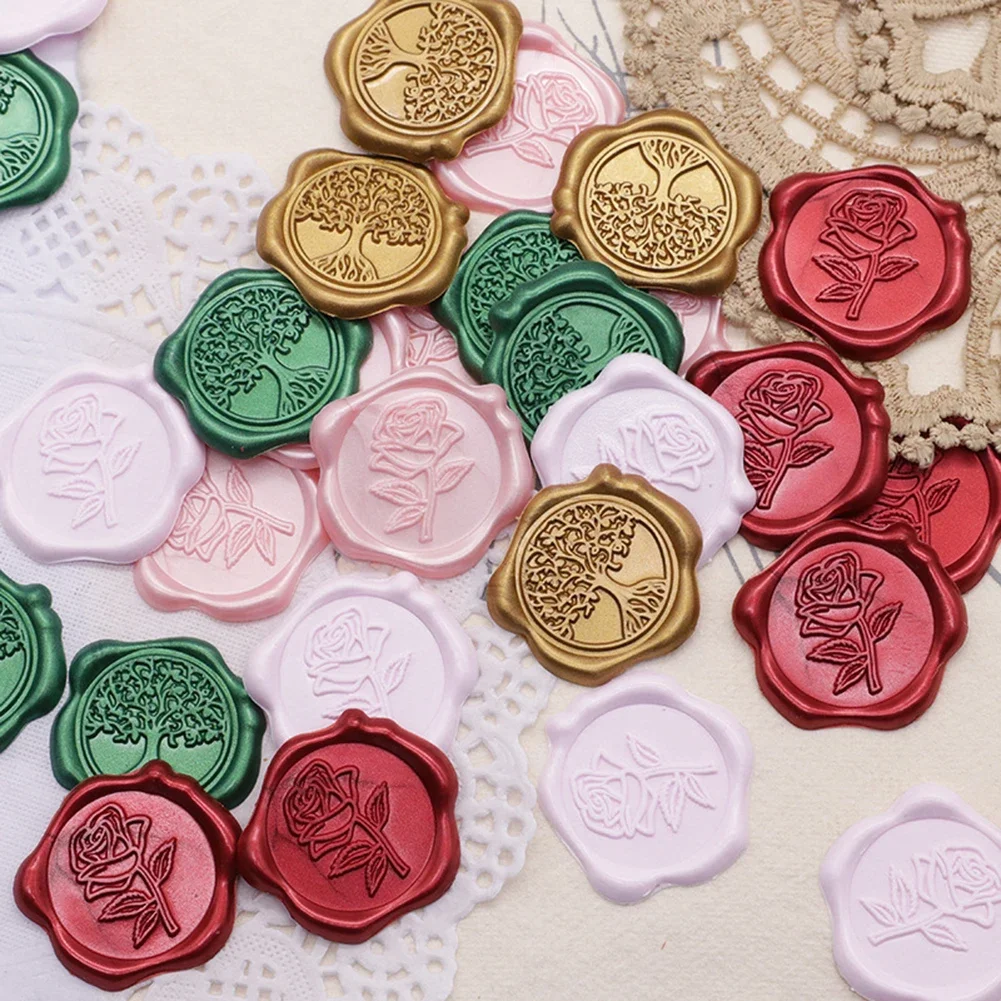


Nylon Double Sided Adhesive Fastener Tape Hooks
$9.11
$16.22


5D Diamond Painting Kit for Girls Home Decoration
$10.21
$18.4
O
N
L
I
N
E
G
A
L
A
X
Y
Loading